Tasmanians

Definition and stakes

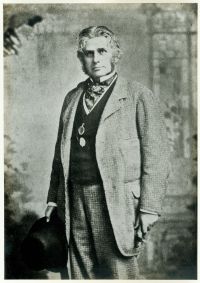
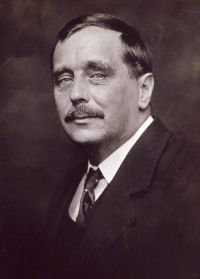
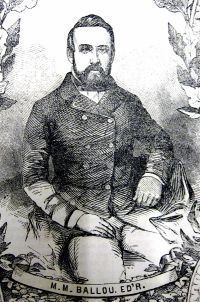
Portrait of James Bonwick James Bonwick,  The Last of the Tasmanians (1870)

“ Migratory, they will not dwell in huts, or cultivate the soil. Like the Tasmanians, they will have no other land to fly to. They may retire before the white faces more southward from Magellan's Strait, more westward from the sheltered valleys, till the rigour of an inclement coast, and the melancholy of evil days, sink them from sight and memory. As fishers, not bold hunters, they may not, like our islanders, resist the stranger, and oppose the axe and gun with spear and waddy, but pass away in silence, leaving one race less of coloured Aborigines. ”
Source: Wikisource

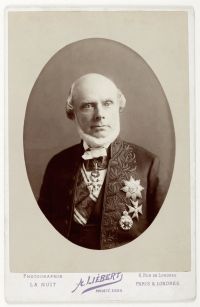
Timothy Coghlan, John Gregory, William Arnold and Ronald McNeill,  1911 Encyclopedia Britannica (1911)

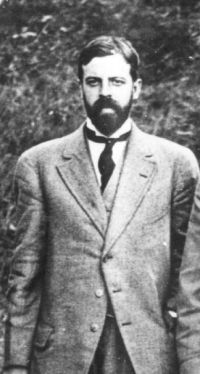
“ How did the Tasmanians with their Papuan affinities get so far south on a continent inhabited by a race so differing from Papuans? Did they get to Tasmania before or after its separation from the main continent? If before, why were they only found in the south? It would have been reasonable to expect to find them sporadically all over Australia. If after, how did they get there at all? For it is impossible to accept the theory of one writer that they sailed or rowed round the continent—a journey requiring enormous maritime skill, which, according to the theory, they must have promptly lost. ”
Source: Wikisource

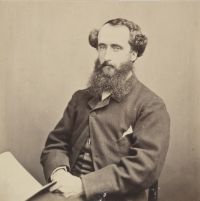
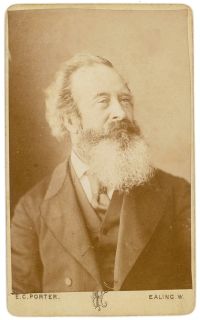
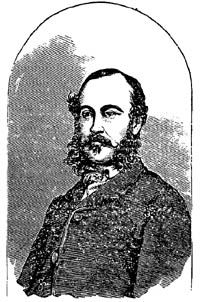
Portrait of Robert Brough Smyth Robert Brough Smyth,  The Aborigines of Victoria/Volume 1 (1878)

“ It is difficult to believe that the Tasmanians were scions of the continental tribes. Their physical character stands out prominently as an objection to the theory. If Tasmania was peopled from Australia, it was at a time when Australia supported a race that in feature, character, and language was Tasmanian; and we must, therefore, regard the race that now inhabits the continent as intrusive. ”
Source: Wikisource

Get perspective with Kwize: daily news enlightened by great literature