Thomas Constable

Definition and stakes

1911 Encyclopædia Britannica, Volume 6… (1911)

“ No one has painted English cloud effects so truthfully, or used them as a compositional quantity with so much skill. Though in looking at nature he was determined to see with his own eyes and not with those of any former master, he found that the science of his predecessors was necessary to him before his sketches could be translated into large pictures. In these pictures his vivid tones and fresh colour are grafted upon the formulae of Claude and Rubens, and it is a common error to regard Constable as an opponent of the great old masters. ”
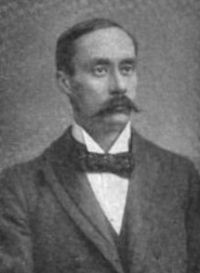
Source: Wikisource

Portrait of C. Lewis Hind C. Lewis Hind,  Constable

“ Nothing is left to the imagination, everything is stated, every inch of canvas is painted with equal force, yet what an advance it is upon most of the classical landscapes then in vogue. It is a picture of England, ripe, lush, carefully composed, carefully executed, but fresh as are the meadows on the banks of the Stour; and the sky across which the large clouds are drifting is sunny. This picture was bought in at the Constable sale, held the year after his death, in 1838, for the very modest sum of thirty-three guineas. ”
Source: Gutenberg

Portrait of C. Lewis Hind C. Lewis Hind,  Constable

“ Is it exaggeration to describe that year as the most important of his life. It gave him the independent outlook, the rough intimacy with fields and hedgerows under the influences of light and weather, that new-old knowledge which so astonished the French artists at the Salon of 1824. Constable began with the skies of Nature, he went on to study the skies of Claude, Ruysdael, and other masters; but he returned to the skies and pastures of Nature, never to leave them again.
PLATE V.—DEDHAM MILL. Victoria and Albert Museum.
”
Source: Gutenberg

Get perspective with Kwize: daily news enlightened by great literature