Thomas Mohun

Definition and stakes

George Thomas Clark,  Mediæval Military Architecture in England…

“ William de Mohun was no mere adventurer. He was a great baron of the Cotentin, having the castle of Moion in la Manche. He fought at Hastings with a knightly following, and received from the Conqueror from sixty to seventy manors in Somerset, Devon, Dorset, and Wilts. These manors were in his time, or in that of his successor, combined into an Honour, as was the case with those attached to the chief seats of Plympton, Totnes, and Barnstaple. Dunster became the caput honoris. ”
Source: Gutenberg

1911 Encyclopædia Britannica, Volume 18… (1911)

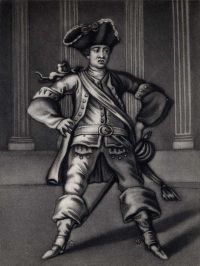
“ MOHUN, CHARLES MOHUN, 4th Baron (c. 1675–1712) , was the son of the 3rd Baron Mohun, who died in October 1677 as the result of a wound received while acting as second in a duel. The boy had no regular guardian, and before he was seventeen he had earned an unpleasant notoriety in London for rowdyism and brawling, had fought a duel and had been tried on a charge of murder. His friend, Captain Richard Hill, a roystering young officer, was in love with the actress Mrs Bracegirdle, and thought William Mountfort, the actor, to be his successful rival. ”
Source: Wikisource

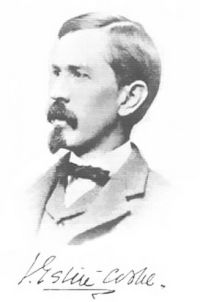
Portrait of John Esten Cooke John Esten Cooke,  Mohun; Or, the Last Days of Lee and His Paladins

“ On the Rappahannock, when I saw him first, Mohun had been cynical, bitter, full of gloomy misanthropy. Something seemed to have hardened him, and made him hate his species. In the bloom of early manhood, when his life was yet in the flower, and should have prompted him to all kind and sweet emotions, he was a stranger to all—to charity, good-will, friendship, all that makes life endurable. The tree was young and lusty ”
Source: Gutenberg

Get perspective with Kwize: daily news enlightened by great literature