Tory (British politics)

Definition and stakes

Walter Lyon Blease,  A Short History of English Liberalism… (1913)

“ The Tory finds the good of the individual in the strength of the State. The Liberal finds the strength of the State in the good of the individual. Where the one seeks to maintain and use, the other seeks to ease, to alter, and to readjust, binding himself to no particular scheme of political or economic construction, but ready to apply to each case of individual hardship, as it arises, such devices as he can invent.
Practical Toryism, the theory as it has been expressed in actual politics, has been until recent years the Toryism of a governing class. But no class has a monopoly of it.
”
Source: Wikisource

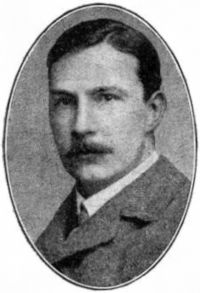
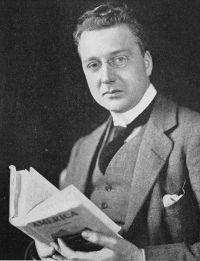
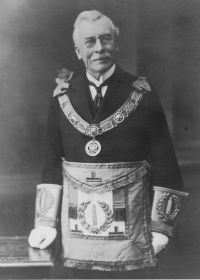
Portrait of Alfred Farthing Robbins Alfred Farthing Robbins,  Practical Politics; or, the Liberalism of To-day

“ In the days before the mass of the people were a real power in the affairs of the State, this difference was very clearly marked, for the Tories then were under no necessity to conceal their belief that the “common herd” were not to be trusted in political concerns. And it is useful, as showing what the high Tory doctrine on this point really was, to recall the fact that a judge on the bench, less than a century ago, in summing up at a political trial, laid it down as a doctrine not to be questioned that “a government in every country should be just like a corporation ”
Source: Gutenberg

Portrait of Alfred Farthing Robbins Alfred Farthing Robbins,  Practical Politics; or, the Liberalism of To-day

“ Differences in the expression of these tendencies there are bound to be, according as circumstances vary; but, generally speaking, the Tory is the party of those who, being satisfied with things as they are, are content to stand still, while the Liberal is the party of those who, thinking there is ample room for improvement, desire to go ahead. ”
Source: Gutenberg

Get perspective with Kwize: daily news enlightened by great literature