Trinity Sunday

Definition and stakes

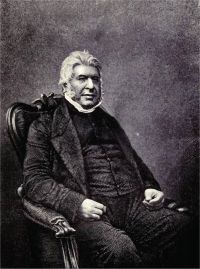
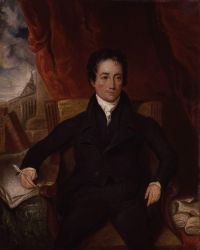
Portrait of Charles Kingsley Charles Kingsley,  All Saints' Day and Other Sermons

“ This is Trinity Sunday, on which we think especially of the name of God. A day which, to a wise man, may well be one of the most solemn, and the most humiliating days of the whole year. For is it not humiliating to look stedfastly, even for a moment, at God’s greatness, and then at our own littleness; at God’s strength and at our own weakness; at God’s wisdom, and at our own ignorance; and, most of all, at God’s righteousness, and at our own sins? ”
Source: Gutenberg

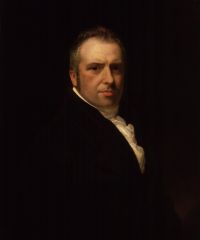
Portrait of Charles Kingsley Charles Kingsley,  The Good News of God

“ This wonderful world in which we live has awakened again from its winter’s sleep. How are we to think of it, and of all the strange and beautiful things in it? Trinity Sunday tells us; for Trinity Sunday bids us think of and believe a matter which we cannot understand—a glorious and unspeakable God, who is at the same time One and Three. We cannot understand that. No more can we understand anything else. We cannot understand how the grass grows beneath our feet. We cannot understand how the egg becomes a bird. ”
Source: Gutenberg

1911 Encyclopædia Britannica, Volume 27… (1911)

“ According to Gervase of Canterbury, it had been introduced into England by Thomas Becket, archbishop of Canterbury, in 1162. It has, however, never been reckoned among the great festivals of the Church. From Trinity Sunday onwards all Sundays until the close of the ecclesiastical year are reckoned as “after Trinity.” In the Roman Church these Sundays are also reckoned as “after Pentecost.” ”
Source: Wikisource

Get perspective with Kwize: daily news enlightened by great literature