Urfa

Definition and stakes

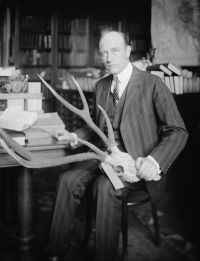
Portrait of J. A. Zahm J. A. Zahm,  From Berlin to Bagdad and Babylon (1922)

“ Like all the old cities of the East, Urfa is rich in myths and legends as well as in historic memories both sacred and profane. According to a Jewish legend which identified it with the Arach of the Bible, it was founded by Nimrod, “the mighty hunter before the Lord.” [298] Another legend attributes the city’s foundation to Enoch, the Hermes Trismegistes of the Orientals. Equally fabulous was the tradition about the tent of the patriarch Jacob, which, it was averred, was preserved in Edessa until it was destroyed by a thunderbolt in the reign of Emperor Antoninus. ”
Source: Gutenberg

Edgar Thomas Ainger Wigram,  The Cradle of Mankind; Life in Eastern Kurdistan

“ The Ibrahim of Urfa was perhaps some local hero who has got credited with his namesake’s deeds. It may be added that a further tradition asserts that Urfa was the home of Job.
[16] A multitude of basalt boulders covering quite a considerable area lie in the midst of the alluvial levels a little to the east of Nisibin. These are, of course, obviously volcanic, but it is not quite obvious how they get there: for Karaja and Nimrud, the nearest admitted craters, are each a hundred miles away.
”
Source: Gutenberg

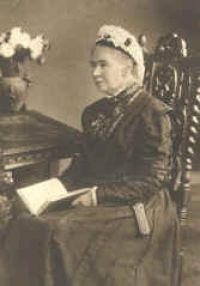
Portrait of Deborah Alcock Deborah Alcock,  By Far Euphrates: A Tale

“ Not only did the Armenians of Urfa whisper it within closed doors—as they were wont to do with anything bearing, however remotely, upon politics; men said it aloud to each other in the streets and in the shops; and women talked of it as they baked their bread, or drew their water from the fountains. What did these Reforms mean? Did they mean—men said they did—no more plundering Kourds, no more tyrannous zaptiehs, no more dungeons and tortures for innocent men, and, best of all, no more of that wordless, nameless terror that made the life of the Armenian woman one long misery? ”
Source: Gutenberg

Get perspective with Kwize: daily news enlightened by great literature