Dalai Lama

Definition and stakes

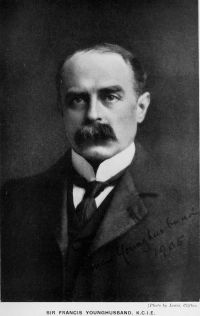
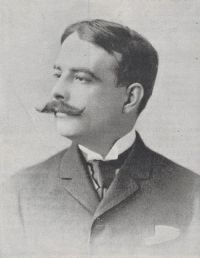
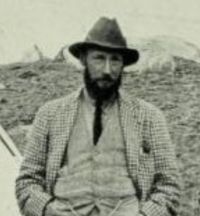
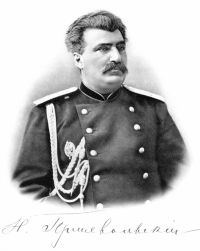
Portrait of Nicholas Prejevalski Nicholas Prejevalski,  Mongolia, the Tangut country, and the solitudes of northern Tibet (1876)

“ The personal insignificance of the Dalai Lama, in the absence of family ties in the country, is the best guarantee the Chinese can have of the submission of Tibet, or, at all events, of their own security from an unruly neighbour. They have indeed good cause to be watchful, for if a talented, energetic person were to appear on the throne of the Dalai Lama, he might with one word, like the voice of a god, cause a rising of the nomads from the Himalayas to Siberia. ”
Source: Wikisource

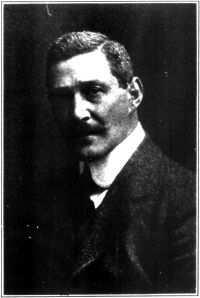
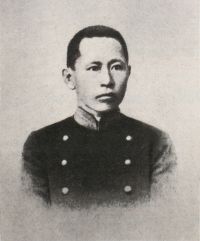
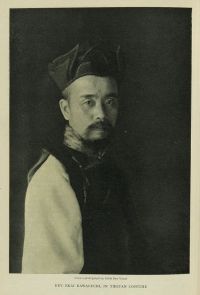
Portrait of Ekai Kawaguchi Ekai Kawaguchi,  Three Years in Tibet

“ With the Dalai Lama—perhaps one of the greatest Lama pontiffs that has ever sat on the throne—given up shamelessly, and even with exultation, to that servile thought of subserviency, and with no great men prepared to uphold the independence of the country, Tibet must be looked upon as doomed. ”
Source: Gutenberg

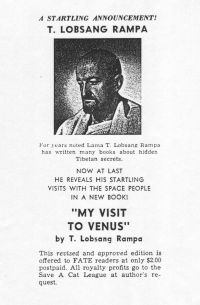
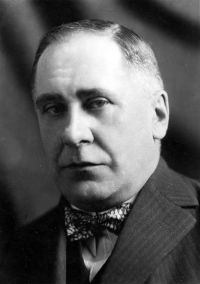
Portrait of Lobsang Rampa Lobsang Rampa,  The Rampa Story (1960)

“ Lhasa swarmed with spies of various nations, poorly disguised as mendicant monks or pilgrims, or missionaries, or anything which seemed to offer a plausible excuse for being in Tibet at all. Sundry gentlemen of assorted races met deviously under the dubious cover of darkness to see how they could profit by the troubled international situation. The Great Thirteenth, the Thirteenth Dalai Lama Incarnation and a great statesman in His own right, kept his temper and the peace and steered Tibet clear of embroilment. ”
Source: Wikisource

Get perspective with Kwize: daily news enlightened by great literature