Visigothic Kingdom

Definition and stakes

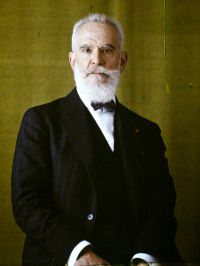
Portrait of Horace G. Hutchinson Horace G. Hutchinson,  The greatest story in the world…

“ The Pyrenees had for years formed the boundary between the Frankish Empire and the Visigoths' kingdoms. The {67} Emperor would have had no authority over the Goths, had they still been there in 800 or so; but in the early half of the eighth century, beginning as early in that century as 710, that Visigothic kingdom had begun to go to pieces under the attacks of the fierce Arabs, inspired by the fighting religion of Mahomet, who in course of the previous century had fought their way to the mastery of Asia Minor and of Egypt. ”

Source: Gutenberg

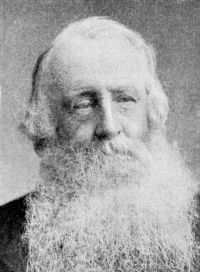
Portrait of James Thomson Shotwell James Thomson Shotwell,  1911 Encyclopædia Britannica (1911)

“ In the 5th century this high culture was an open prize for the barbarians; and after the passing of the Vandals, Suebi and Visigoths into Spain, the Visigoths returned under Wallia, who made his capital at Toulouse in 419. This was the foundation of the Visigothic kingdom which Clovis dismembered in 507, leaving the Visigoths only Septimania—the country of seven cities, Narbonne, Carcassonne, Elne, Béziers, Maguelonne, Lodève and Agde—that is, very nearly the area occupied later by the province of Languedoc. ”
Source: Wikisource

Get perspective with Kwize: daily news enlightened by great literature