Wapping, London

Definition and stakes

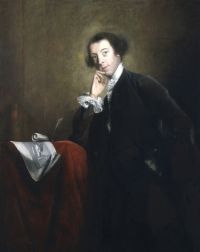
Earl of Beaconsfield Benjamin Disraeli,  Tancred; Or, The New Crusade

“ Fleet Street, with its Temple, is not unworthy of being contiguous to the Strand. The fire of London has deprived us of the delight of a real old quarter of the city; but some bits remain, and everywhere there is a stirring multitude, and a great crush and crash of carts and wains. The Inns of Court, and the quarters in the vicinity of the port, Thames Street, Tower Hill, Billingsgate, Wapping, Rotherhithe, are the best parts of London; they are full of character: the buildings bear a nearer relation to what the people are doing than in the more polished quarters. ”
Source: Gutenberg

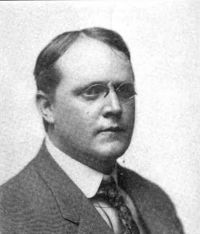
Portrait of Walter Besant Walter Besant,  East London

“ Outside the docks begins the place they call Wapping. It used to be Wapping in the Ouze, or Wapping on the Wall. I have spoken of the embankment on the marsh. All along the river, all round the low coast of Essex stands “The Wall,” the earthwork by which the river is kept from overflowing 67these low grounds at high water. This wall, which was constantly getting broken down, and cost great sums of money to restore, was the cause of the first settlement of Wapping. ”
Source: Gutenberg

Portrait of Walter Besant Walter Besant,  The History of London

“ ROGUES AND VAGABONDS.
Vagabonds: wanderers who have no settled home.
Wapping: called Wapping Wash (or Marsh) in the time of Queen Elizabeth, when it was first drained and banked in, lies on the north bank of the Thames, in Middlesex, near the Thames Tunnel.
Lambeth, facing Westminster, on the south bank of the river, is low-lying, and was called in Saxon times Lambhythe, meaning loamy or muddy landing place.
Bermondsey (ey—island) , on the south bank of the Thames, one mile S.E. of St. Paul's, is a centre of the leather and wool trade.
”
Source: Gutenberg

Get perspective with Kwize: daily news enlightened by great literature