Wellington, New Zealand

Definition and stakes

James Inglis,  Our New Zealand Cousins (1887)

“ How the city seems to open out the higher we ascend among the gorse and rocky spurs. Every valley is now seen to be full of houses. The harbour opens out into numerous long bays. The calm ocean (for, wonderful phenomenon for Wellington, the winds are lulled and the day is placid) lies spread out before us in all its bewitching beauty, flecked only here and there with a few small craft, lying idly rocking on the glassy surface. The long grey sweep of the rocky peninsula terminates in a busy swarming scene, where the gangs of men are lustily working at the fortifications. ”
Source: Wikisource

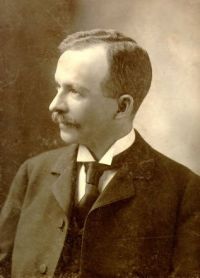
Portrait of Frank G. Carpenter Frank G. Carpenter,  Australia, New Zealand and some islands of the South seas

“ The morning was clear when we sailed into Wellington harbour and cast anchor before the capital city of the island dominion. On going ashore I found Wellington rather like an American than a British town. It has more than one hundred thousand people and is growing like a green bay tree. The city lies in a nest in the hills, with its business streets round the harbour, some of them built upon land reclaimed from the sea. The houses are mostly of wood, and one of the government buildings is said to be the biggest wooden structure in the world. ”
Source: Gutenberg

F. A. Roberts,  By Forest Ways in New Zealand

“ Ships steam up a narrow, rocky channel into the harbour, which widens out into an area of fifty square miles, with deep water right up to the town, and wharves adjoining the chief streets. All round the harbour are hills, most of them now cleared of trees and grass-grown; but in 1840, when Wellington was founded as a Colony under the British Crown, it was a tiny settlement of huts ringed about by miles of untouched forests; and you realize with never-failing wonder how great a change has been wrought in a very short space of time. ”
Source: Gutenberg

Get perspective with Kwize: daily news enlightened by great literature