Sycophancy

Definition and stakes

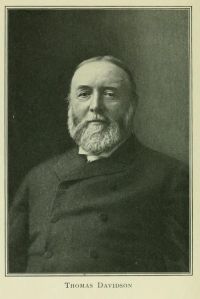
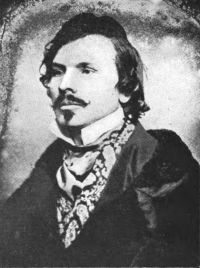
Portrait of Thomas De Quincey Thomas De Quincey,  Note Book of an English Opium-Eater

“ Yet why should men be sycophants in cases where they must be disinterested? Sycophancy grows out of fear, or out of mercenary self-interest. But what can there exist of either pointing to an old Greek poet? Cannot a man give his free opinion upon Homer, without fearing to be waylaid by his ghost? But it is not that which startles him from publishing the secret demur which his heart prompts, upon hearing false praises of a Greek poet, or praises which, if not false, are extravagant. What he fears, is the scorn of his contemporaries. ”
Source: Gutenberg

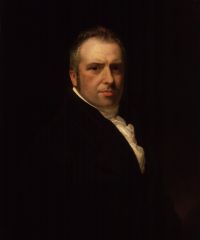
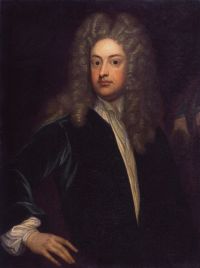
Portrait of Joseph Addison Joseph Addison,  The Spectator, Volumes 1, 2 and 3

“ Let the Sycophant, or Buffoon, the Satyrist, or the Good Companion, consider with himself, when his Body shall be laid in the Grave, and his Soul pass into another State of Existence, how much it will redound to his Praise to have it said of him, that no Man in England eat better, that he had an admirable Talent at turning his Friends into Ridicule, that no Body out-did him at an Ill-natured Jest, or that he never went to Bed before he had dispatched his third Bottle. ”
Source: Gutenberg

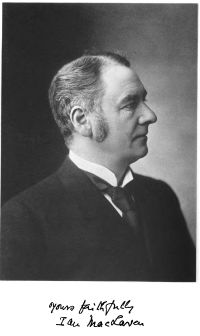
George W. Ogden,  Trail's End

“ But the sycophants who had hung to his heels like hand-fed dogs when power glorified him like a glistening garment and exalted him high above other men, turned out as all time-servers and cowardly courtiers always finish when the object of their transitory adulation falls with his belly in the dust. ”
Source: Gutenberg

Get perspective with Kwize: daily news enlightened by great literature