Wichita people

Definition and stakes

Frederick Webb Hodge,  The Jumano Indians (1910)

“ Their custom of tattooing, the character of their houses, and their semi-agricultural mode of life during the century they were first known, suggest relationship, if not identification, with the Wichita people. References in unpublished Spanish documents of the seventeenth and eighteenth centuries indicate that the Jumano of the Spaniards of New Mexico were the Tawehash of Texas; and it is known that Tawehash, the name of a division of the Wichita, was also the term by which other Caddoan tribes knew the Wichita tribe proper. ”
Source: Gutenberg

Frederick Webb Hodge,  The Jumano Indians (1910)

“ Reference has been made to the settlement of the Wichita in the country of the Wichita mountains in the present Oklahoma, after having occupied the so-called Quivira country of Kansas in the sixteenth and seventeenth centuries. Further evidence of the connection of the Wichita-Tawehash people with the Jumano is afforded as late as 1844 by Josiah Gregg, who was engaged in the Santa Fé trade and was personally familiar with the plains and their aboriginal occupants. ”
Source: Gutenberg

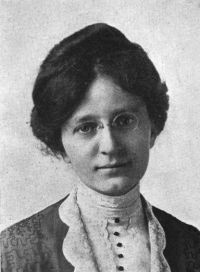
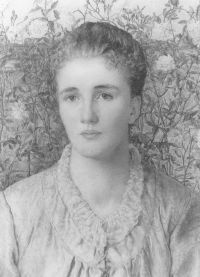
Portrait of Louise Creighton Louise Creighton,  Life of Edward the Black Prince

“ It is quite certain that Wiclif had nothing to do with the rising of the peasants. Still, at the time it caused him and his teaching to be regarded with terror by the respectable classes of society. The communistic and socialistic views which had been spread among the people had in many cases been preached by men, who declared themselves followers of Wiclif. People were inclined to look upon the revolt as partly the outcome of his teaching, and so were no longer as ready as before to listen to his schemes for reform. ”
Source: Gutenberg

Get perspective with Kwize: daily news enlightened by great literature