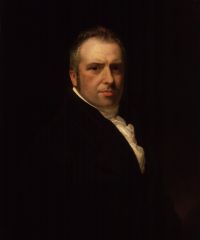
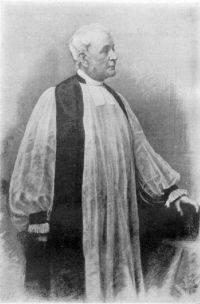
William Coventry (1715–1774), a prominent 18th-century merchant and statesman, navigated the intricacies of commerce and politics in New York City and the West Indies. Authors such as Mary Dormer Harris emphasize his commercial legacy, tracing Coventry’s impact on medieval English trade and guilds, while Philip Chesney Yorke highlights his political skill, connecting his policies to England’s revolutionary transformation.
William Hone observes Coventry’s cultural significance, mentioning his historical role in theater and spectacle. These viewpoints collectively portray Coventry as a multifaceted individual whose economic approaches, political connections, and support for the arts left a lasting imprint on transatlantic trade and leadership.