Yemelyan Pugachev

Definition and stakes

Robert Nisbet Bain,  1911 Encyclopædia Britannica (1911)

“ Pugachev’s story was that he and his principal adherents had escaped from the clutches of Catherine, and were resolved to redress the grievances of the people, give absolute liberty to the Cossacks, and put Catherine herself away in a monastery. He held a sort of mimic court at which one Cossack impersonated Nikita Panin, another Zachary Chernuishev, and so on. The Russian government at first made light of the rising. At the beginning of October 1773 it was simply regarded as a nuisance, and 500 roubles was considered a sufficient reward for the head of the troublesome Cossack. ”
Source: Wikisource

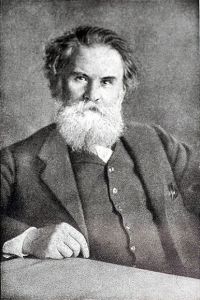
Portrait of Vladimir Galaktionovich Korolenko Vladimir Galaktionovich Korolenko,  Birds of Heaven, and Other Stories

“ I was already familiar with the name of this Saltykov: the old records in the archives of Nizhny Novgorod preserve the dark memories of the acts of this noble family, and one is well known from the revolt of Pugachev: his retainers collected the taxes by robbery. When the glad tidings spread among the people that Petr Fedorovich had made himself known and was marching to recover his throne, the serfs of Saltykov thought that there [218] would be an end to their master’s outrages and their necessarily sinful lives. ”
Source: Gutenberg

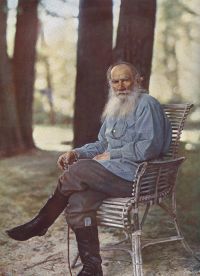
Portrait of Leo Tolstoy Leo Tolstoy,  War and Peace (1952)

“ Nicholas started angrily.
“All right, all right,” he said, throwing the bits under the table.
And evidently suppressing his vexation with difficulty, he turned away from the boy.
“You ought not to have been here at all,” he said.
↑ Without faith or law. ↑ Pugachëv was the Cossack leader of a great peasant rising in Catherine the Great's time.—Tr. ↑ Denísov makes play with the similarity of the German word Bund, a union, and the Russion word bunt, a riot—Tr. ↑ “I'm your man.”
”
Source: Wikisource

Get perspective with Kwize: daily news enlightened by great literature