Aerolite

Definition and stakes

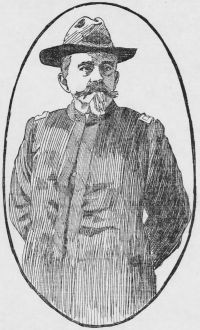
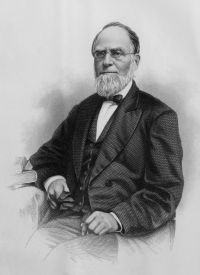
Portrait of John S. C. Abbott John S. C. Abbott,  The Wonders of the World (1856)

“ If a stick of wood, after being covered over night in the hot ashes, so as to become in part or wholly charred, be taken out in the morning, and waved back and forth in the air, every one has noticed that it will send forth sparks by hundreds and thousands. Now the more modern theory as to these aerolites, or falling-stars, is, that they are thrown off from small, opaque, planetary bodies, revolving in space, which when they come within the atmosphere of the earth, are heated from their rapid motion through it, and throw off small heated portions, like the sparks from the waving brand. ”
Source: Gutenberg

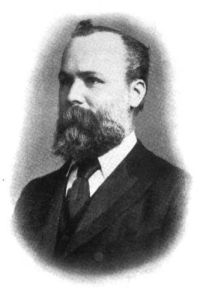
Portrait of E. Walter Maunder E. Walter Maunder,  The Astronomy of the Bible

“ The aerolites that reach the surface are not always exploded into very small fragments, but every now and then quite large masses remain intact. Most of these are stony; some have bits of iron scattered through them; others are almost pure iron, or with a little nickel alloy, or have pockets in them laden with stone. ”
Source: Gutenberg

Robert Routledge,  Discoveries and Inventions of the Nineteenth Century

“ Aerolites become ignited or incandescent by reason of the great velocity with which they 32pass through the atmosphere, whereby the air in front of them is condensed and heated, the heat often being sufficient to liquefy or even vaporize the solid matter. The so-called shooting stars are with good reason believed to be nothing but such incandescent aerolites, and the aerolites themselves are regarded as small asteroids, or scattered planetary dust, portions of which occasionally coming within the sphere of the earth’s attraction are drawn to its surface. ”
Source: Gutenberg

Get perspective with Kwize: daily news enlightened by great literature