Anatomical dissection

Definition and stakes

John Abernethy,  The Hunterian Oration for the year 1819 (1819)

“ Anatomical knowledge is the only foundation on which the structure of medical science can be built. Without this, we should but increase the sufferings of those afflicted with diseases, and endanger their lives. Opportunities of dissection should therefore be afforded to us. The bodies of persons dying in the hospitals abroad are given to the surgeons for dissection, and even with the acquiescence of the public. ”
Source: Wikisource

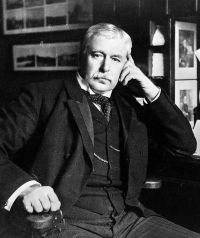
Portrait of Edward Berdoe Edward Berdoe,  St. Bernard's: The Romance of a Medical Student

“ The art of anatomical dissection consists in freeing the muscles, tendons, arteries, veins, and nerves from the surrounding fat and connective tissue which in the living body preserves and covers them.
It is absolutely necessary that the student should not only know from books, but actually see with his own eyes, and for a long period attentively observe the origin and course of every nerve, artery, and vein which in the whole body is capable of being dissected out.
”
Source: Gutenberg

Gertrude Hill Lewes,  Dr. Southwood Smith: A Retrospect

“ In the article by Dr Southwood Smith which first called public attention to these evils, he points out, in a very striking manner, the paramount necessity of a supply of subjects. He reminds his readers of the wild theories of former times when anatomical knowledge was not possessed, and enforces on their attention the fact that this knowledge can only be acquired, with any degree of perfection, by means of dissection. He further reminds them that no operation can be performed without torture to the living, and danger to life itself, by the hand of a surgeon unpractised in dissection ”
Source: Gutenberg

Get perspective with Kwize: daily news enlightened by great literature