Animal communication

Definition and stakes

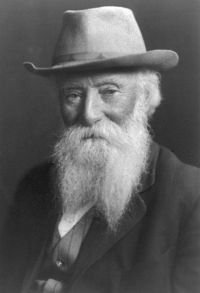
Portrait of William J. Long William J. Long,  How animals talk (1919)

“ The simplest or most obvious method of animal communication is by inarticulate cries, expressive of hunger, loneliness, anger, pleasure, and other primal needs or emotions. The wild creatures are mostly silent, and so is the bulk of their “talk,” I think; but they frequently raise their voice in the morning or evening twilight, and by observing them attentively at such a time you may measure the effect of their so-called language. Thus, you see plainly that to one call the animal cocks his ear and gives answer; at another call he becomes wildly excited ”

Source: Gutenberg

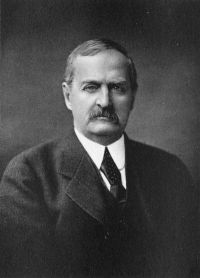
Portrait of William J. Long William J. Long,  How animals talk (1919)

“ This is a chapter on the wing drill of birds, the swarming of bees, the panics and unseasonal migrations of larger or smaller beasts, and other curious phenomena in which the wild creatures of a flock or herd all act in unison, doing the same thing at the same time, as if governed by a single will rather than by individual motives. If it should turn out that the single will were expressed in a voice or cry, or even in a projected impulse, then are we again face to face with our problem of animal communication. ”
Source: Gutenberg

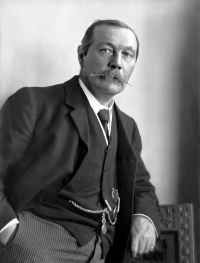
Portrait of William J. Long William J. Long,  How animals talk (1919)

“ The instant response of deer or dog to minute external impressions, though startling enough, is probably wholly physical, a matter of vibrations on one side and of nerves on the other; but there are other phenomena of sensitiveness (and these bring us nearer to our trail of animal communication) [49] for which it is much harder to find a satisfactory physical explanation. ”
Source: Gutenberg

Get perspective with Kwize: daily news enlightened by great literature