Anti-aircraft fire

Definition and stakes

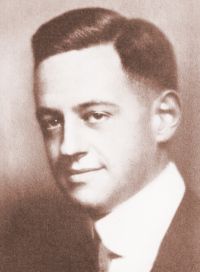
W. Crispin Sheppard,  Don Hale with the Flying Squadron

“ Even amid the booming of the anti-aircraft batteries and the sharper staccato reports of the machine guns from various parts of the field, all blending into an unearthly din, the droning of the motors high in the air could be distinctly heard. Like a pyrotechnic display, luminous bullets, searching for the invaders, shot up into the sky, often piercing the low-hanging clouds; and mingling in with them were vicious little spurts of fire which told of the explosion of shrapnel shells. ”
Source: Gutenberg

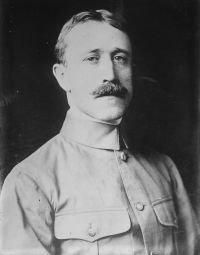
Portrait of Frederick Palmer Frederick Palmer,  My Year of the Great War

“ The explosions must be very close to count. It is amazing how much shell-fire an aeroplane can stand. Aviators are accustomed to the whiz of shell-fragments and bullets and to have their planes punctured and ripped. Though their engines are put out of commission, and frequently though the men be wounded, they are able to volplane back to the cover of their own lines.
To make a proper story we ought to have brought down this particular bird. But it had the luck, which most planes, British or German, have, to escape anti-aircraft gun-fire.
”
Source: Gutenberg

W. Lockwood Marsh,  A History of Aeronautics

“ The air currents set up by the leading machines were thus avoided by those in the rear, while each pilot had a good view of the leader’s bombs, and were able to correct their own aim by the bursts, while the different heights at which they flew rendered anti-aircraft gun practice less effective. Further, machines were able to afford mutual protection to each other and any attacker would be met by machine-gun fire from three or four machines firing on him from different angles and heights. ”
Source: Gutenberg

Get perspective with Kwize: daily news enlightened by great literature