Brood comb

Definition and stakes

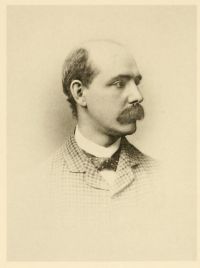
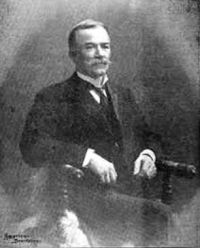
Portrait of Albert John Cook Albert John Cook,  Manual of the apiary (1879)

“ The brood-chamber is often so filled with honey that the queen has no room to lay her eggs, especially if there is any neglect to give other room for storing. Honey, too, in brood-combs is unsalable, because the combs are dark, and the size undesirable. Comb, too, is very valuable, and should never be taken from the bees, except when desired to render the honey more marketable. ”
Source: Gutenberg

Jonas de Gélieu,  The Bee Preserver; or, Practical Directions for the Management and Preservation of Hives (1829)

“ It sometimes happens, that the queen will ascend into the cape to deposit her eggs, when she has not room in the interior; therefore, should any brood-comb happen to be in it when it is intended to be removed, let it be replaced until such time as the young are completely hatched. - 40 - The brood-comb is easily distinguished: the cells that contain it have their covers darker, more raised, and much thicker, than those that contain honey, the covers of which are white, flat, and very thin.
There is no fixed rule for the time of removing the capes
”
Source: Gutenberg

William Augustus Munn,  A Description of the Bar-and-Frame-Hive

“ Lay aside such combs as have young bees or brood in them, as they would give your honey a bad flavour and render it unwholesome, and the bee-brood must also be separated and melted with the brood-combs. When you have thus separated the combs, let such as are very fine be nicely drained by themselves, without the least pressing whatever, having been carefully cleaned of every sort of filth, or insects, and dividing each comb in such a manner that the cells may be open at both ends, and placing them upon a sieve or coarse cloth, that the honey may drain off quite pure and undefiled. ”
Source: Gutenberg

Get perspective with Kwize: daily news enlightened by great literature