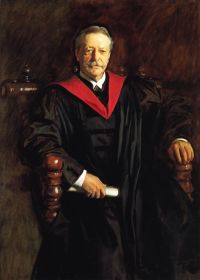
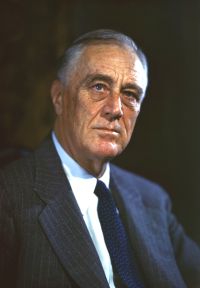
The chief justice, who presides over supreme courts in common law systems, represents judicial authority and legal interpretation. Although responsibilities differ—such as the Lord Chief Justice in the UK or the U.S. appointee—shared duties include resolving constitutional issues, administering oaths, and, in certain countries, taking on executive roles.
Writers like James Gibbons highlighted their commitment to constitutional principles, while accounts, such as Darwin’s, illustrated their influence in shaping justice. The position’s combination of legal precision and political accountability, evident in legislative review or succession procedures, highlights its essential yet complex impact on legal and societal structures.
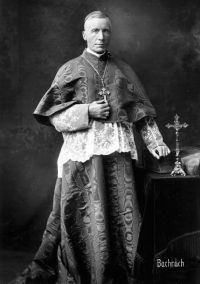 James Gibbons,
The Faith of Our Fathers
James Gibbons,
The Faith of Our Fathers