Civil and religious liberty

Definition and stakes

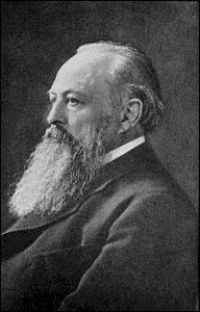
Baron John Emerich Edward Dalberg Acton Acton The History of Freedom, and Other Essays

Civil and religious liberty are so commonly associated in people's mouths, and are so rare in fact, that their definition is evidently as little understood as the principle of their connection. The point at which they unite, the common root from which they derive their sustenance, is the right of self-government. The modern theory, which has swept away every authority except that of the State, and has made the sovereign power irresistible by multiplying those who share it, is the enemy of that common freedom in which religious freedom is included.
Source: Gutenberg

Richard W. Thompson The Footprints of the Jesuits

Why should they be required to accept a religion which teaches that mankind are by nature unequal, with some born for dominion and the multitude for obedience only? Why should they be commanded to treat as sinful and heretical civil institutions which now protect them and increase their temporal happiness? Why should it be continually sounded in their ears that the divorce of the State from the Church, religious liberty, the freedom of speech and of the press, are such offenses against the divine law as must not be condoned in this life, and will not be forgiven in the next?
Source: Gutenberg

Get perspective with Kwize: daily news enlightened by great literature