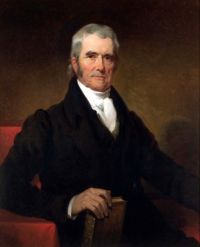
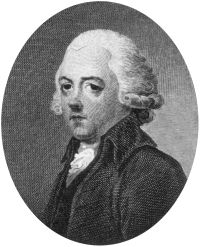
The concept of "commander-in-chief" signifies the highest authority over a nation's armed forces, usually held by a head of state or government. This position, grounded in historical and constitutional foundations, has been examined by scholars such as John McAllister Schofield, who stressed the President’s dual function as both a civilian leader and a military supervisor, and Ulysses S.
Grant, who emphasized the constitutional duty of appointing military leaders. Barack Obama addressed its contemporary significance, while historical works, such as those published in the Magazine of History, illustrated its symbolic importance during times of conflict. The theme connects legal obligations, military planning, and the careful equilibrium of power between civilian and military domains.
 Barack Obama,
Barack Obama's Fifth State of the Union Address
(2013)