Communion (Christianity)

Definition and stakes

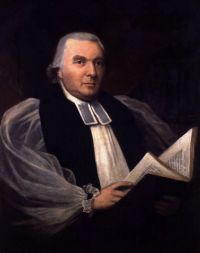
Portrait of Jean-Baptiste Massillon Jean-Baptiste Massillon,  Sermons (1879)

“ Deceive not yourselves, then, my brethren; there is a way of receiving Jesus Christ, by which his presence is rendered useless to us; and would to God, that, in thus receiving him, we deprived ourselves only of those favours which follow a holy communion! Ah! my brethren, unless the communion gives birth to Jesus Christ in our hearts, it brings death to him there; if it does not render us participators of his Spirit and of his grace, it is the sentence of our condemnation: if it be not a fruit of life to our soul, it is a fruit of death. ”
Source: Wikisource

Portal:Anonymous texts,  The Urantia Book (1955)

“ In this way human association generates a feeling of fellowship with the divine, and this is the beginning of group worship. Partaking of a common meal was the earliest type of social communion, and so did early religions provide that some portion of the ceremonial sacrifice should be eaten by the worshipers. Even in Christianity the Lord's Supper retains this mode of communion. The atmosphere of the communion provides a refreshing and comforting period of truce in the conflict of the self-seeking ego with the altruistic urge of the indwelling spirit Monitor. ”
Source: Wikisource

Paulist Fathers,  Sermons by the Fathers of the Congregation of St…

“ Our souls and bodies are united in a mysterious manner to the Divine Person of our dear Lord and Saviour, who became man and died on the cross for our salvation. He calls us to this communion, and gives Himself to us as the sweetest pledge of His Divine Love, as the most precious means of our sanctification, as a comforting food, as a holy offering by which we may praise and give thanks to God, as a feast of joy and the kiss of peace to the forgiven sinner. ”
Source: Gutenberg

Get perspective with Kwize: daily news enlightened by great literature