Domestic slave trade

Definition and stakes

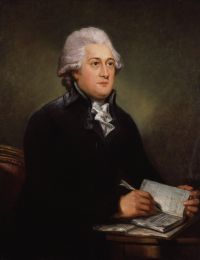
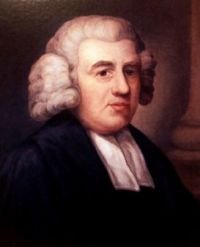
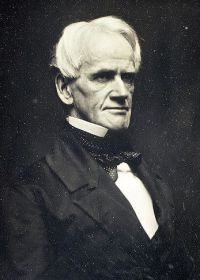
Portrait of Nehemiah Adams Nehemiah Adams,  The Sable Cloud: A Southern Tale With Northern Comments…

“ They are a part of slavery; so is the domestic slave-trade, which is the necessary removal of the slaves from places where they cannot have employment, to regions where their labor is in demand. In no other way can they be disposed of, unless they are at once freed; and with many the evils of the domestic slave-trade are the most powerful argument in favor of emancipation. That there are grievous trials and sorrows, as well as wrongs and violence, in the disposal of slaves, is known to all. ”

Source: Gutenberg

William O. Blake,  The History of Slavery and the Slave Trade (1861)

“ The great profits derived from the cultivation of cotton, kept the African slave-trade alive in spite of the prohibitory law's. The domestic slave-trade increased, and Washington became a great resort of the traders, who were engaged in buying up slaves in Maryland and Virginia for transportation to the southwest John Randolph, of Virginia, in congress denounced this new traffic as heinous and abominable, inhuman and illegal, and moved a committee of inquiry, whose report justified some of the epithets. ”
Source: Wikisource

Various,  The Journal of Negro History, Volume 8…

“ The blacks, being at that time preponderately slave, accompanied their masters to new homes in the South and Southwest or constituted the traffic of the domestic slave trade. Explanation of their migration must be sought, therefore, not in any unrest that may have been manifested by the Negroes, but rather in the causes that underlay the movement of the masters to new homes, and that enabled the domestic slave trade to become a profitable enterprise. ”
Source: Gutenberg

Get perspective with Kwize: daily news enlightened by great literature