Drainage (agriculture)

Definition and stakes

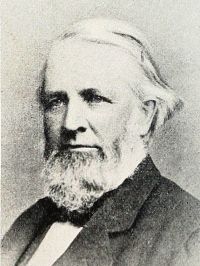
Portrait of Henry F. French Henry F. French,  Farm drainage

“ Men unaccustomed to minute investigation, are slow to appreciate the great effects produced by apparently small causes; and it may seem to many, that the operations of drainage for agriculture, are too insignificant in their details, perceptibly to affect the flow of mill-streams and rivers. A moment's thought will convince the most skeptical, that the thorough-drainage of the wet lands, even of a New England township, must produce sensible effects upon the streams which convey its surplus water toward the sea. ”

Source: Gutenberg

Portrait of Henry F. French Henry F. French,  Farm drainage

“ A consideration, too, of the varying inclinations of surface, of which instances will frequently occur in the same field, necessitates a departure from uniformity, not in direction only, but in intervals between drains. Take, for instance, the ordinary case of a field, in which a comparatively flat space will intervene between quickly rising ground and the outfall ditch. It is clear that the soak of the hill will pervade the soil of the lower ground, let the system of drainage adopted be what it may ”
Source: Gutenberg

Portrait of Henry F. French Henry F. French,  Farm drainage

“ The heavy storms and showers fill the surface soil beyond saturation, and the water gushes out, literally, into the cellars and other low places. A dry well, sunk through the clay, conducts this water into the gravel bed, and this carries it away. This idea is often applied to land drainage. It is believed that there are immense tracts of fertile land at the West, upon limestone, where the surface might readily be relieved of surplus water, by conducting the mains into wells dug for the purpose. ”
Source: Gutenberg

Get perspective with Kwize: daily news enlightened by great literature