Ecological succession

Definition and stakes

Frederic E. Clements Research methods in ecology (1905)

All the migrants into a new, denuded, or greatly modified habitat are sorted by ecesis into three groups: (1) those that are unable to germinate or grow, and soon die; (2) those that grow normally under the conditions present; (3) those that pass through one or more of the earlier stages in a dormant state to appear at a later stage of the succession. (2) Wherever ruderal vegetation is present, it contributes a large number of the pioneer species of each succession, on account of the thorough ecesis. In other regions this part is played by subruderal native species.
Source: Gutenberg

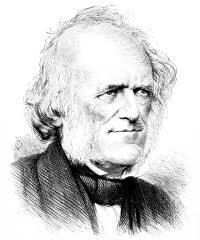
Portrait of Sir Charles Lyell Sir Charles Lyell Principles of Geology

Theory of the successive extinction of species consistent with a limited geographical distribution—Opinions of botanists respecting the centres from which plants have been diffused—Whether there are grounds for inferring that the loss, from time to time, of certain animals and plants, is compensated by the introduction of new species?—Whether any evidence of such new creations could be expected within the historical era?—The question whether the existing species have been created in succession must be decided by geological monuments.
Source: Gutenberg

Frederic E. Clements Research methods in ecology (1905)

He destroys vegetation by fires, lumbering, cultivation, and drainage, and if he can not control climate, he at least modifies its natural effects by irrigation and the conservation of moisture. The operations of man extend from seacoasts and swampy lowlands through mesophytic forests and prairies to the driest uplands and inlands. Since the adjacent formations determine in large degree the course and constitution of a succession, it will be seen that the effects of any particular activity upon vegetation will differ greatly in different regions.
Source: Gutenberg

Get perspective with Kwize: daily news enlightened by great literature