Historical linguistics

Definition and stakes

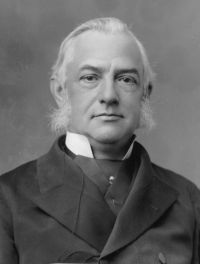
Baron Thomas Babington Macaulay Macaulay,  Critical and Historical Essays…

“ For magnificence, for pathos, for vehement exhortation, for subtle disquisition, for every purpose of the poet, the orator, and the divine, this homely dialect, the dialect of plain working men, was perfectly sufficient. There is no book in our literature on which we would so readily stake the fame of the old unpolluted English language, no book which shows so well how rich that language is in its own proper wealth, and how little it has been improved by all that it has borrowed. ”
Source: Gutenberg

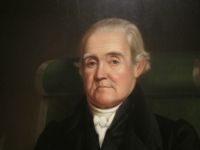
Portrait of Noah Webster Noah Webster,  Dissertations on the English Language…

“ It is a common error in etymology to endeavor the deriving all the radical words of our western European languages from the Latin and Greek; or indeed to derive constantly the primitives of any one language from any particular tongue. When we do this, we seem to forget that all have been subject to alterations; and that the greater and more polite any nation is, the more subject, (partly for improvement, and partly out of a luxurious wantonness) to new model their language. ”
Source: Gutenberg

Portrait of Noah Webster Noah Webster,  Dissertations on the English Language…

“ The number and perfection of the languages from which the English is collected, must account for its copiousness and the multitude of synonimous words with which it abounds.
A primitive unmixed language rarely contains two words of the same signification. On the contrary, rude nations often use one word to express several ideas, which have some resemblance or analogy to each other, in the constitution of things.
”
Source: Gutenberg

Get perspective with Kwize: daily news enlightened by great literature