Jus gentium

Definition and stakes

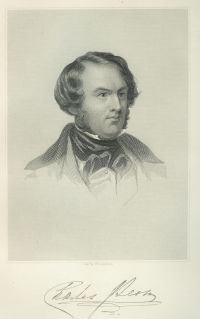
Portrait of Henry James Sumner Maine Henry James Sumner Maine,  Ancient Law (1861)

“ It is true that we, at the present day, should probably take a very different view of the Jus Gentium, if we were performing the operation which was effected by the Roman jurisconsults. We should attach some vague superiority or precedence to the element which we had thus discerned underlying and pervading so great a variety of usage. We should have a sort of respect for rules and principles so universal. ”
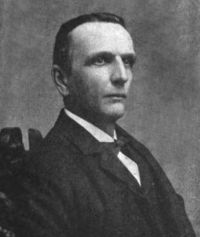
Source: Wikisource

Sir John W. Salmond,  Jurisprudence (1913)

“ Jus gentium came to mean not only the law of nature—the principles of natural justice—but also a particular part of the positive law of Rome, namely, that part which was derived from and in harmony with those principles of natural justice, and which therefore was applicable in Roman law courts to all men equally, whether cives or peregrini. ”
Source: Gutenberg

Baron John Francis Arundell Arundell of Wardour,  Tradition, Principally with Reference to Mythology and the Law of Nations

“ That there was a persistent tradition in ancient society of a law of nature; (2.) That this tradition was invariably associated with the golden age, e.g.:—
“After nature had become a household word in the mouths of the Romans, the belief gradually prevailed among the Roman lawyers, [290] that the old jus gentium was in fact the lost code of nature, and that the prætors, in framing an edictal jurisprudence on the principles of the jus gentium, were gradually restoring a type from which law had only departed to deteriorate” (p. 56) .
”
Source: Gutenberg

Get perspective with Kwize: daily news enlightened by great literature