Landholding

Definition and stakes

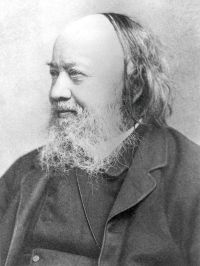
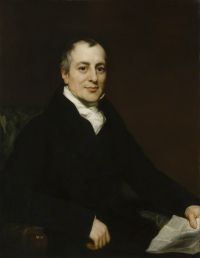
Portrait of Charles Bradlaugh Charles Bradlaugh,  A Few Words About the Devil, and Other Biographical Sketches and Essays

“ The true theory of landholding should be that the State should be the only freeholder, all other tenures being limited in character; and cultivation ought to be a special condition of tenancy.... The holder of land should either cultivate it with his own hands, or, as would be most frequently the case, by the hands of others; but in the latter case, the landed proprietor is bound to allow the agricultural laborer to live by his labor. ”
Source: Gutenberg

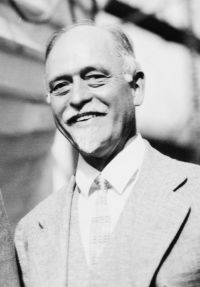
F.R.H.S. Joseph Fisher,  Landholding in England

“ Many small freeholds were sold, the owners thinking they could more rapidly acquire wealth by using the money representing their occupancy, in trade. Thus the large estates became larger, and the smaller ones were absorbed, while the appearance of greater wealth from exchanging subterranean substances for money, or its representative, gave rise to ostentatious display. The rural population gradually diminished, while the civic population increased. The effect upon the system of landholding was triplicate. ”
Source: Gutenberg

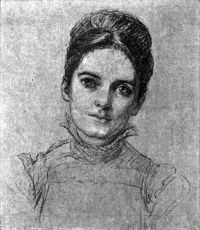
Mary A. M. Marks,  Landholding in England (1908)

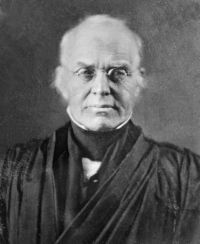
“ Thirty years ago, Professor Thorold Rogers defined the position of the landlord: "Every permanent improvement of the soil, every railway and road, every bettering of the general condition of society, every facility given for production, every stimulus supplied to consumption, raises rent. The landowner sleeps, but thrives. He alone, among all the recipients in the distribution of products, owes everything to the labour of others, but contributes nothing of his own. ”
Source: Wikisource

Get perspective with Kwize: daily news enlightened by great literature