Log (lumber)

Definition and stakes

Charles A. King,  Elements of woodwork (1911)

“ The immersion of logs in water also improves the quality of the lumber, as the action of the water upon the sap prevents to some degree the tendency to decay, and also facilitates the seasoning of the manufactured product. If the log is left in the water until it becomes water-logged, it will sink, and while it is not injured for many purposes, the wood loses some of the strength which it is supposed to have. In many localities, the salvage of sunken logs has become an industry. ”
Source: Gutenberg

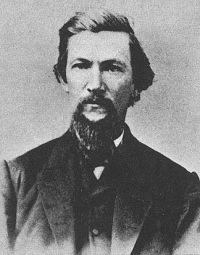
Portrait of Dan De Quille Dan De Quille,  History of the big bonanza

“ When the troughs are steep, the logs rush down at more than railroad speed, leaving behind them a trail of fire and smoke. Such log-ways are generally to be seen about the lakes, and are so contrived that the logs leap from them into water of great depth, as otherwise they would be shivered to pieces and spoiled for use in the manufacture of lumber. ”
Source: Gutenberg

Various,  The Strand Magazine, Vol. 17, No…

“ It extended for a distance of twenty-five miles, and was estimated to contain over 150,000,000ft. of lumber.
It sometimes requires several days' hard labour to "break" a jam. Not infrequently a single log may be the cause of the whole difficulty, and the removal of this "key" log is naturally a dangerous duty. It may be lodged so tightly by the great mass of logs wedged against it by the swift current of the river, that its removal is accomplished only after chopping it in two with an axe.
”
Source: Gutenberg

Get perspective with Kwize: daily news enlightened by great literature