Military architecture

Definition and stakes

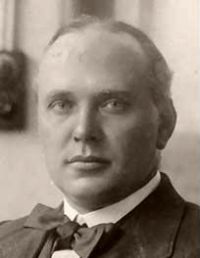
Portrait of Édouard Corroyer Édouard Corroyer Gothic Architecture

The distinctive character of military architecture in the Middle Ages must be sought in defensive fortification. In all other respects its constructive methods were identical with those employed in architectural works generally. The few ornamental features of military buildings, as, for instance, the interior vaults and the profiles of consoles and cornices, diverge but slightly from the accepted types of such features in the churches, monasteries, and domestic structures of the period.
Source: Gutenberg

George Thomas Clark Mediæval Military Architecture in England…

To the student of military architecture, or of the art of the defence of strong places before the introduction of gunpowder, the ground-plans of defensive works and the details of castellated architecture of every period are interesting; sometimes they are to be admired for the grandeur of their earthworks or the enormous strength of their walls; sometimes for their happily-selected site and the skilful disposition of their arrangements for a flanking defence; or, as at Arques, Dover,5 Sarum, and Windsor, for their subterranean outlets and countermines.
Source: Gutenberg

A. Hamilton Thompson Military Architecture in England During the Middle Ages

THE PROGRESS OF ATTACK AND DEFENCE The earthwork fortifications, the progress of which we have traced up to the Norman conquest, were of a very simple kind. It is obvious that, in the history of military architecture, any improvement in defence is the consequence of improved methods of attack. The stone-walled town of the middle ages, the castle or private citadel, with its curtain wall and the subdivision of its enclosure into more than one bailey, succeeded the palisaded earthwork as a natural result of the development of the art of siege.
Source: Gutenberg

Get perspective with Kwize: daily news enlightened by great literature