Military casualty

Definition and stakes

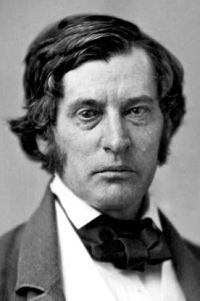
Portrait of Charles Sumner Charles Sumner,  Charles Sumner: his complete works…

“ At every step is war, and this is enough: soldiers black with powder; bayonets bent with the violence of the encounter; the earth ploughed with cannon-shot; trees torn and mutilated; the dead and dying; wounds and agony; fields covered with broken carriages, outstretched horses, and mangled bodies; while disease, sad attendant on military suffering, sweeps thousands from the great hospitals, and the multitude of amputated limbs, which there is no time to destroy, accumulate in bloody heaps, filling the air with corruption. ”
Source: Gutenberg

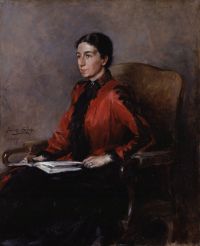
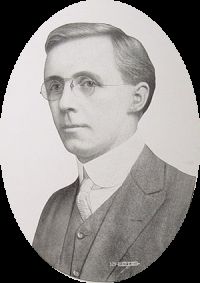
Portrait of George R. Kirkpatrick George R. Kirkpatrick,  War—What For?

“ War spills the blood of non-combatants.
War weakens the blood of soldiers who are smitten with befouling fevers and whose wounds and sores fester unattended on the battlefield or are ill-attended in rude military hospitals. Disease, in war, strikes with death four times as many soldiers as are killed with lead and steel.
”
Source: Gutenberg

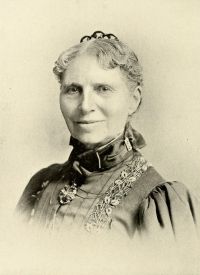
Portrait of Clara Barton Clara Barton,  The Red Cross in Peace and War

“ In a moving army the elements of destruction, armed men and munitions of war, have the right of way; and the means of preserving and sustaining even their own lives are left to bring up the rear as they best can. Hence, when the shock and crash of battle is over, and troops are advancing or retreating and all roads are blocked, and the medical staff trying to force its way through with supplies, prompt and adequate relief can scarcely ever reach the wounded. The darkness of night comes down upon them like a funeral pall, as they lie in their blood, tortured with thirst and traumatic fever. ”
Source: Gutenberg

Get perspective with Kwize: daily news enlightened by great literature