Military division

Definition and stakes

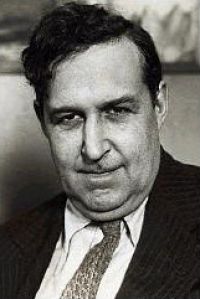
Portrait of Heywood Broun Heywood Broun,  Our Army at the Front

“ If we were to announce the identity of each unit that comes to France, then we would fully inform the enemy of the number and nature of our forces. Published details about any division are most useful to expert military intelligence officers in determining the state of the division's preparedness, and the probable assignment of the division to any section. ”
Source: Gutenberg

Kelly Miller,  Kelly Miller's History of the World War for Human Rights

“ After a thorough consideration of Allied organizations it was decided that our combat division should consist of four regiments of infantry of 3,000 men, with three battalions to a regiment and four companies of 250 men each to a battalion, and of an artillery brigade of three regiments, a machine gun battalion, an engineer regiment, a trench-mortar battery, a signal battalion, wagon trains, and the headquarters staffs and military police. ”
Source: Gutenberg

John B. Wilson,  Maneuver and Firepower: The Evolution of Divisions and Separate Brigades (1998)

“ After World War I the Army quickly demobilized its forces, but memories of the unpreparedness of 1917 caused the nation to change the way it maintained its military forces. Infantry and cavalry divisions, rather than regiments or smaller units, became the pillars that would support future mobilization. Officers examined the structure of those pillars and adopted a modified, but powerful, square infantry division designed for frontal attack and a small light cavalry division for reconnaissance. ”
Source: Wikisource

Get perspective with Kwize: daily news enlightened by great literature