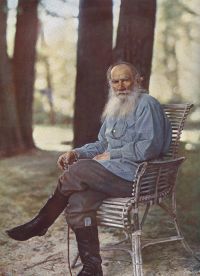
A nosegay, a small bouquet of flowers, has long served as a symbol of beauty, emotion, and cultural importance. From Lewis Carroll’s whimsical depiction of Alice encountering a nosegay in Alice’s Adventures Under Ground to Leo Tolstoy’s realistic portrayal of gathering flowers in Hadji Murad, the motif appears in diverse contexts.
Rumi imbues it with mystical healing qualities, while Elizabeth Gaskell links it to personal memory and social subtlety. Ben Jonson’s definition of “bulled nosegays” as fully bloomed flowers highlights its literal and figurative depth. Across literature, the nosegay connects the physical and the symbolic, reflecting human relationships with nature and feeling.