Oath of fealty

Definition and stakes

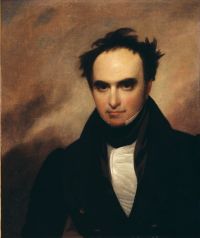
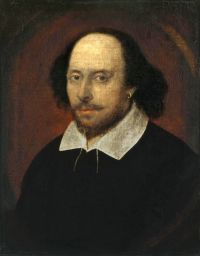
Portrait of William Blackstone William Blackstone Commentaries on the Laws of England (1768)

But when the acknowlegement was made to the absolute superior himself, who was vasal to no man, it was no longer called the oath of fealty, but the oath of allegiance; and therein the tenant swore to bear faith to his sovereign lord, in opposition to all men, without any saving or exception: "contra omnes homines fidelitatem fecit [2] ." Land held by this exalted species of fealty was called feudum ligium, a liege fee
Source: Wikisource

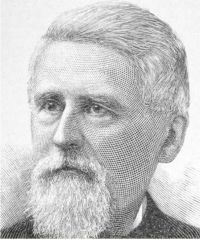
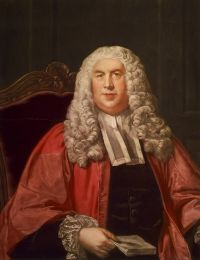
Portrait of Edward Burnett Tylor Edward Burnett Tylor Popular Science Monthly (1876)

But at a higher stage of culture, where the gods are ceasing to be divine natural objects like the Tiber or Ganges, or the sun or sky, but are passing into the glorified human or heroic stage, like Apollo or Venus, there comes into view a milder kind of oath, where the man enters into fealty with the god, whom he asks to favor or preserve him on condition of his keeping troth. Thus, while the proceeding is still an oath with a penalty, this penalty now lies in the perjurer's forfeiting the divine favor.
Source: Wikisource

Get perspective with Kwize: daily news enlightened by great literature