Oath of office

Definition and stakes

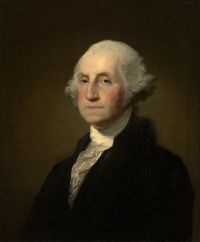
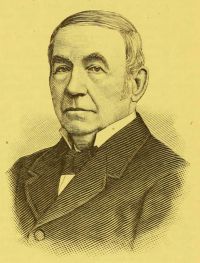
Benjamin Harrison A Compilation of the Messages and Papers of the Presidents…

There is no constitutional or legal requirement that the President shall take the oath of office in the presence of the people, but there is so manifest an appropriateness in the public induction to office of the chief executive officer of the nation that from the beginning of the Government the people, to whose service the official oath consecrates the officer, have been called to witness the solemn ceremonial. The oath taken in the presence of the people becomes a mutual covenant.
Source: Gutenberg

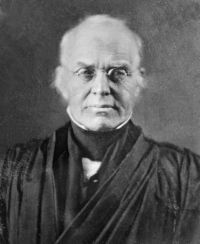
Portrait of Joseph Story Joseph Story Commentaries on the Constitution of the United States (1833)

It might be argued, with as much plausibility, as other incidental powers have been assailed, that the convention was not unmindful of this subject. The oath, which might be exacted—that of fidelity to the constitution—is prescribed, and no other can be required. Yet, he would be charged with insanity, who should contend, that the legislature might not superadd, to the oath directed by the constitution, such other oath of office, as its wisdom might suggest.
Source: Wikisource

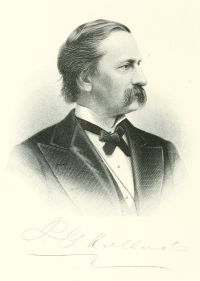
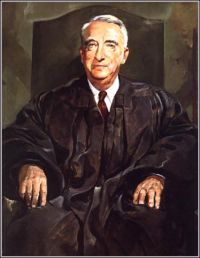
George Sutherland United States v. Macintosh — Opinion of the Court

To conclude that the general oath of office is to be interpreted as disregarding the religious scruples of these citizens and as disqualifying them for office because they could not take the oath with such an interpretation would, I believe, be generally regarded as contrary not only to the specific intent of the Congress but as repugnant to the fundamental principle of representative government.
Source: Wikisource

Get perspective with Kwize: daily news enlightened by great literature