Opiate

Definition and stakes

Ernest S. Bishop,  The narcotic drug problem (1920)

“ If the facts of addiction-disease were widely known and applied to its proper handling and remedy, there should be no hysteria concerning and no criticism against legitimate opiate medication; even if unavoidably continued to the point of creating this condition. That opiate-addiction is one of the medical problems of war is recognized and must be openly met. In many cases, just as in private civil practice, the physician is confronted by a choice of evils. To save life or reason he must continue opiate medication even into and past the danger zone of beginning opiate addiction. ”
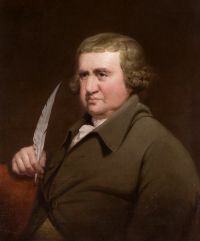
Source: Gutenberg

Ernest S. Bishop,  The narcotic drug problem (1920)

“ The mere fact that a physician has reduced a narcotic addict’s opiate intake from a large dosage to a very small dosage, or indeed has denied him any opiate at all for a considerable length of time, is no evidence that he is curing or [Pg 76] has cured his patient of addiction-disease. Unless the physical mechanism of body-need for an opiate has been completely and actually quieted, the patient may have in his body for perhaps weeks and months after the last administration of the drug, a physical demand for it. The taking of opiate does not constitute opiate addiction-disease. ”
Source: Gutenberg

Ernest S. Bishop,  The narcotic drug problem (1920)

“ In very many cases of opiate addiction, the opposite of the popular belief is true. The opiate addict, if his addiction mechanism is competently appreciated, its reactions accurately estimated, and its influences wisely controlled, is quite other than a bad risk. Indeed the mechanism of addiction and the opiate which caused it can often be handled in such a way in the control of glandular, circulatory, nervous and other function and reaction as to aid in the carrying over of emergencies, medical and surgical. ”
Source: Gutenberg

Get perspective with Kwize: daily news enlightened by great literature