A political boss is an individual who wields influence over a political party’s faction or local branch, often without holding formal office, through patronage, coalition-building, and control over appointments. Historically dominant in 19th- and early 20th-century America, figures like Tammany Hall’s leaders and Boss Tweed exemplified this role, using voter blocs and favors to shape politics.
Authors such as Carl Schurz criticized bosses for replacing statesmen with party despotism, while Jean Webster illustrated their personal ruthlessness. Though reforms diminished their power, the continued presence of unelected figures like George Norcross highlights the ongoing tension between democratic ideals and centralized political control.
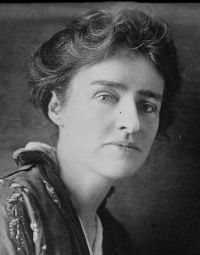 Jean Webster,
The Four-Pools Mystery
Jean Webster,
The Four-Pools Mystery