Prehistoric humans

Definition and stakes

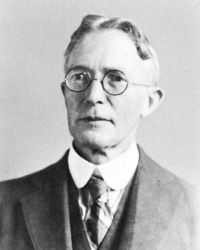
W. L. H. Duckworth,  Prehistoric man

“ Our knowledge of prehistoric man is based naturally upon the study of certain parts of the human skeleton preserved in a fossil state. In addition to these materials, other evidence is available in the form of certain products of human industry. These include such objects as implements of various kinds, owing their preservation to the almost indestructible nature of their material, or again artistic representations, whether pictorial or glyptic. ”
Source: Gutenberg

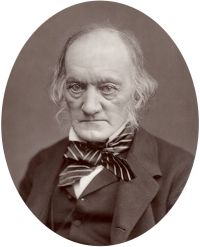
Portrait of Edward Burnett Tylor Edward Burnett Tylor,  Encyclopædia Britannica, Ninth Edition (1878)

“ This geological claim for a vast antiquity of the human race is supported by the similar claims of prehistoric archaeology and the science of culture, the evidence of all three departments of inquiry being intimately connected, and in perfect harmony.
During the last half century, the fact has been established that human bones and objects of human manufacture occur in such geological relation to the remains of fossil species of elephant, rhinoceros, hysena, bear, &c., as to lead to the distinct inference that man already existed during the ancient period of these now extinct mammalia.
”
Source: Wikisource

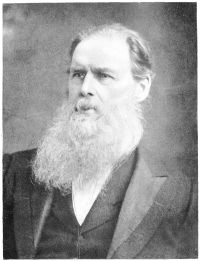
Portrait of William Boyd Dawkins William Boyd Dawkins,  1911 Encyclopædia Britannica, Volume 5… (1911)

“ Those with the remains of the mammoth, woolly rhinoceros and other extinct species, or with paleolithic man (see Archaeology) , are termed Pleistocene. These are sometimes called Quaternary, under the mistaken idea that they belong to an age succeeding the Tertiary period. (3) Those which contain the remains of the domestic animals in association with the remains of man either in the Neolithic, Bronze or Iron stages of civilization are termed Prehistoric. ”
Source: Wikisource

Get perspective with Kwize: daily news enlightened by great literature