Pronghorn

Definition and stakes

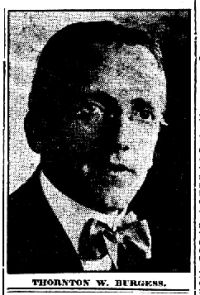
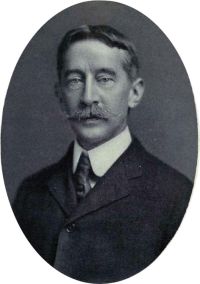
Portrait of Thornton W. Burgess Thornton W. Burgess,  The Burgess Animal Book for Children

“ They grow straight up just over the eyes, are rather short, and fork. One branch is much shorter than the other, and the longer one is turned over at the end like a hook. From these horns he gets the name of Pronghorn.
“When running from danger he carries his head low and makes long leaps. When not frightened he trots and holds his head high and proudly. He prefers flat open country, and there is no more beautiful sight on all the great plains of the West than a band of Fleetfoot and his friends. He is social and likes the company of his own kind.
”
Source: Gutenberg

The New International Encyclopædia…

“ These stand about a foot in height, are curved inward, often so as to be truly lyrate, and—unlike any other sheath-horn known—are branched, having one prong (occasionally more) on the anterior edge. Every winter these horns are pushed off by new hairy growths beneath them, comparable to the ‘velvet’ of deer's antlers, which in turn harden into another pair of true horns. This distinction is deemed sufficient to justify placing the pronghorn in a separate family, the Antilocapridæ, intermediate between the giraffes and the Bovidæ. The horns of the female are rudimentary. ”
Source: Wikisource

Get perspective with Kwize: daily news enlightened by great literature