Rancour

Definition and stakes

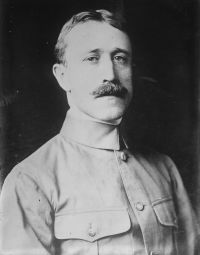
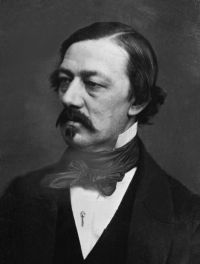
Portrait of Arthur Schopenhauer Arthur Schopenhauer,  Human Nature

“ But to the boundless egoism of our nature there is joined more or less in every human breast a fund of hatred, anger, envy, rancour and malice, accumulated like the venom in a serpent's tooth, and waiting only for an opportunity of venting itself, and then, like a demon unchained, of storming and raging. If a man has no great occasion for breaking out, he will end by taking advantage of the smallest, and by working it up into something great by the aid of his imagination ”
Source: Wikisource

Portrait of Aesop Aesop,  The Fables of Æsop, and Others

“ Indeed, the sin of ingratitude is so detestable, that none but the basest tempers can be guilty of it. Men of low grovelling minds, who have been rescued from indigence by the hand of benevolence, or of charity, forget their benefactors, as well as their original wretchedness; and as soon as prosperity flows upon them, it too often serves only to rekindle their native rancour and venom, and they hiss and brandish their tongues against those who are so inadvertent or unfortunate as to have served them. ”
Source: Gutenberg

Edward Lucas White,  The Little Faded Flag (1908)

“ René ruminated, "that there was much rancor after your civil war; but I fancy from what you tell me that there was less animosity than I had conceived."
"There was much rancor," his host declared. "The animosity at the time of the war cannot be exaggerated, could not be conveyed to you by any description, you understand. There is rancor yet, mostly among the Southern women, particularly those born since the war, or those whose families really suffered least or whose men did not fight at all,—a sort of artificial cult of rancor.
”
Source: Wikisource

Get perspective with Kwize: daily news enlightened by great literature