Ronin

Definition and stakes

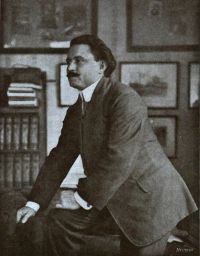
Portrait of Jan Havlasa Jan Havlasa,  Four Japanese Tales (1919)

“ The countenance of the ronin, which life had furrowed with many wrinkles, was like a forest tarn: calm, but no one could tell what lay concealed on the bottom of his soul. »It is sinful even to entertain evil and hateful thoughts,« he continued in a moment, gazing vacantly ahead of him, »for we never know how far our hatred may reach and of what it is capable. It is not wise to be careless regarding thoughts. If they are thought persistently and strongly, they become embodied; and it takes a long time for any Thought to die. ”
Source: Wikisource

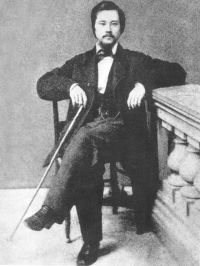
Portrait of Jan Havlasa Jan Havlasa,  Four Japanese Tales (1919)

“ And therefore I remained a ronin, though I could have returned into the service of my daimyo. What kind of a life could I have led in a country where everything reminded me only of my lost family, my lost happiness? My hartred would have grown, but I wished to subdue and overcome it. That is why I am a ronin. I wish to walk away and think down my hatred. I see a great deal of suffering and many wrongs in the world, and wherever I can, I help sufferers and avenge wrongs like a man. I see also much good and kindness, and with each little bit my hatred grows smaller. ”
Source: Wikisource

Final Statement of the 47 Ronin

“ One's life weighs lightly against duty."
- Oishi Chikara's reply to his father.
"We, the ronin serving Asano Takumi no Kami, this night will break into the mansion of Kira Kotzuke no Suke to avenge our master. Please be assured that we are neither robbers nor ruffians and no harm will befall the neighboring property."
-Placard the 47 ronin posted the night they avenged the death of their lord.
"No man shall live under the same heavens nor tread the same earth as the enemy of lord or father."
”
Source: Wikisource

Get perspective with Kwize: daily news enlightened by great literature