Sandhill crane

Definition and stakes

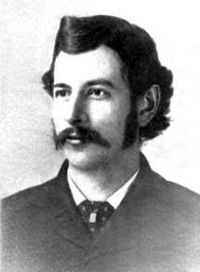
Portrait of Ambrose Bierce Ambrose Bierce,  The Devil's Dictionary — W

“ Is't the sandhill crane, the shankank, Standing in the marsh, the kneedeep, Standing silent in the kneedeep With his wing-tips crossed behind him And his neck close-reefed before him, With his bill, his william, buried In the down upon his bosom, With his head retracted inly, While his shoulders overlook it? Does the sandhill crane, the shankank, Shiver grayly in the north wind, Wishing he had died when little, As the sparrow, the chipchip, does? No 'tis not the Shankank standing, Standing in the gray and dismal Marsh, the gray and dismal kneedeep. ”
Source: Wikisource

Various,  Birds Illustrated by Color Photography…

“ ERRONEOUSLY called Sandhill Crane or Blue Crane, by which names it is better known than by its proper name, this bird is well known as one of the most characteristic of North America, breeding, as it does, singly and in colonies from the Arctic regions southward to the West Indies and South America. In the warmer parts of the country it breeds in vast heronries in company with other species of Herons, of which there are eleven or twelve, to which places they resort year after year. It is a common bird, except in localities far removed from streams or ponds which furnish its food supply. ”
Source: Gutenberg

William Clark,  History of the Expedition under the Command of Captains Lewis and Clark…

“ Several of the large brown or sandhill crane are feeding in the low grounds on the grass which forms their principal food. The young crane cannot fly at this season: they are as large as a turkey, of a bright reddish bay colour. Since the river has become shallow we have caught a number of trout to-day, and a fish, white on the belly and sides, but of a bluish cast on the back, and a long pointed mouth opening somewhat like that of the shad. ”
Source: Gutenberg

Get perspective with Kwize: daily news enlightened by great literature