Spoonbill

Definition and stakes

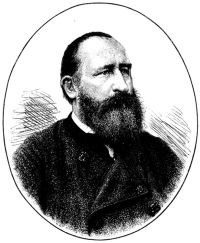
Portrait of Alfred Edmund Brehm Alfred Edmund Brehm,  Cassell's book of birds; vol. 4

“ The flight of the Spoonbill is beautifully light, and often performed in circles, or the bird assumes a hovering motion, and flies with neck stretched directly forward, making rapid strokes with its wings; the voice is quaking, and only audible at a short distance. In disposition these birds are usually timid and cautious, but if not molested soon acquire confidence. With their own kind they live in the utmost harmony, and are constantly to be seen billing and arranging each other's feathers, with every demonstration of sympathy and affection. ”

Source: Gutenberg

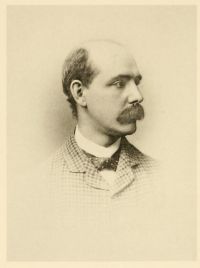
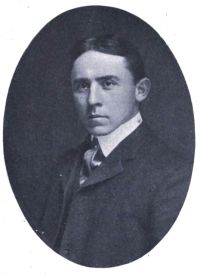
Portrait of W. H. Hudson W. H. Hudson,  Argentine Ornithology, Volume 2…

“ The Spoonbill wades up to its knees and advances with beak always immersed, and swaying itself from side to side, so that at each lateral movement of the body the beak describes a great semicircle in the- 97 - water; a flock of these birds feeding reminds one of a line of mowers mowing grass. On dry ground the Spoonbill seems unable to walk directly forward like other birds, but stoops, keeping the body in a horizontal position, and, turning from side to side, sweeps the air with its beak, as if still feeding in the water. ”
Source: Gutenberg

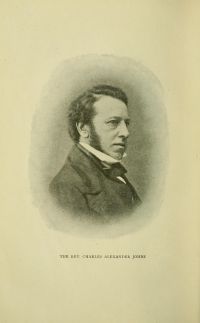
Portrait of C. A. Johns C. A. Johns,  British Birds in Their Haunts

“ The Spoonbill is a migratory bird, building its nest and rearing its young in the north of Europe and Asia, and retiring in autumn to the shores of the Mediterranean or to Africa. It is remarkable not only for the singular conformation of its bill, but for 'being one of the very few which have been found to possess no true muscles of the organ of voice ”
Source: Gutenberg

Get perspective with Kwize: daily news enlightened by great literature