Ibis

Definition and stakes

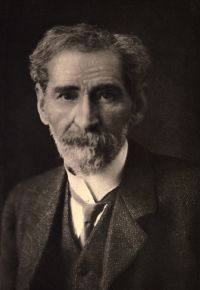
Portrait of John James Audubon John James Audubon,  Ornithological biography, Vol. 3…

“ At other times the White Ibis, like the Red and the Wood Ibises, rises to an immense height in the air, where it performs beautiful evolutions. After they have thus, as it were, amused themselves for some time, they glide down with astonishing speed, and alight either on trees or on the ground. Should the sun be shining, they appear in their full beauty, and the glossy black tips of their wings form a fine contrast with the yellowish-white of the rest of their plumage. ”
Source: Gutenberg

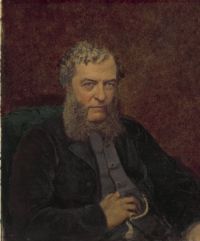
Portrait of Elinor Mordaunt Elinor Mordaunt,  On the Wallaby Through Victoria

“ They do not splash and flutter their wings in bathing, as other birds do, but, when they move at all, do so very slowly, lifting first one foot, then another, high out of the water; while they stare persistently, without the faintest trace of alarm at any intruder. All the other animals here are the remnant of the true wild, left far behind by the ages, uneasy, wistful, and half ashamed. But the ibis is the spirit of a civilization older than any other ”
Source: Gutenberg

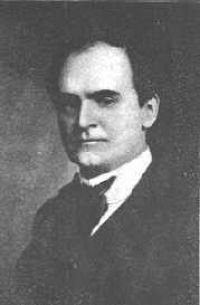
Portrait of Lewis Spence Lewis Spence,  Myths and Legends of Ancient Egypt

“ Amongst birds worshipped by the Egyptians, one of the most important was the ibis. It was associated with Thoth and the moon, and in the earliest period [Pg 296] the city of Hermopolis was the centre of this cult. A passage in Herodotus gives many interesting details concerning the ideas held regarding the bird. He tells us that he went to a certain place in Arabia, near the city of Buto, to learn about the winged serpents, brought into Egypt by the west wind, which the ibis was believed to destroy along with the ordinary reptiles common to the country. ”
Source: Gutenberg

Get perspective with Kwize: daily news enlightened by great literature