Senatorial district

Definition and stakes

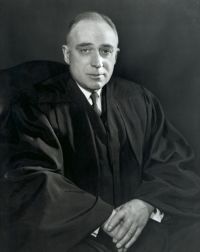
Byron White,  Swann v. Adams (385 U.S. 440)…

“ The deviation from the average population per senator is greater than 15% in one senatorial district, is greater than 14% in five more districts and is more than 10% in still six other districts. Approximately 25% of the State's population living in one quarter of the total number of senatorial districts is underrepresented or overrepresented by at least 10%. The minimum percentage of persons that could elect a majority of 25 senators is 48.38%. ”
Source: Wikisource

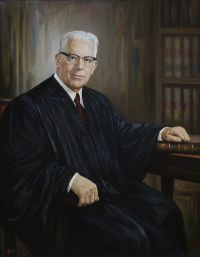
Portrait of Earl Warren Earl Warren,  Roman v. Sincock — Opinion of the Court

“ Under the 1897 apportionment scheme, as perpetuated over 65 years later, Senate districts ranged in population from 4,177 to 64,820, resulting in a maximum population-variance ratio, between the most populous and least populous Senate districts, of about 15-to-1. Senatorial districts in Kent and Sussex Counties were consistently much smaller than those in New Castle County with the exception of one New Castle County district which, with a population of only 4,177, was the smallest senatorial district in the State. ”
Source: Wikisource

Portrait of Earl Warren Earl Warren,  Lucas v. Forty-Fourth General Assembly of Colorado…

“ Allocation of senators among the counties follows the existing scheme of districting and apportionment, except that one sparsely populated county is detached from populous Arapahoe County and joined with four others in forming a senatorial district, and one additional senator is apportioned to each of the counties of Adams, Ara ahoe, Boulder and Jefferson. Within counties given more than one Senate seat, senatorial districts are to be established by the legislature 'as nearly equal in population as may be.' [13] Amendment No. ”
Source: Wikisource

Get perspective with Kwize: daily news enlightened by great literature