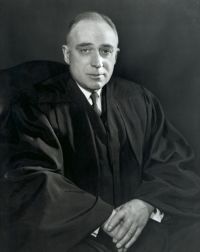
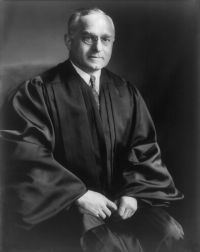
Gerrymandering refers to the strategic manipulation of electoral district boundaries to secure political advantage, often by diluting opposition votes or entrenching partisan control. This practice has been scrutinized by legal scholars and jurists, who highlight its implications for democratic fairness. Justice Warren Burger emphasized the tension between preventing gerrymandering and ensuring equitable representation, while Justice William J. Brennan critiqued partisan motives as a form of politically driven distortion.
Analysts like John H. Humphreys linked gerrymandering to flaws in electoral systems, arguing that structural reforms could mitigate its effects. The theme intersects with redistricting, apportionment, and voting rights, reflecting enduring debates over legislative integrity. The data underscores that while gerrymandering remains a contentious issue, its legal and ethical boundaries continue to evolve through judicial discourse and reform efforts.