Summary

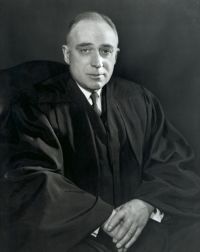
Portrait of John Marshall Harlan II John Marshall Harlan II Reynolds v. Sims — Dissenting Opinion

It prohibits the hanging of a black man for a crime for which the white man is not to be hanged. It protects the black man in his fundamental rights as a citizen with the same shield which it throws over the white man. Is it not time, Mr. President, that we extend to the black man, I had almost called it the poor privilege of the equal protection of the law? . . . But, sir, the first section of the proposed amendment does not give to either of these classes the right of voting. The right of suffrage is not, in law, one of the privileges or immunities thus secured by the Constitution.
Source: Wikisource

Portrait of John Marshall Harlan II John Marshall Harlan II Reynolds v. Sims — Dissenting Opinion

If constitutional amendment was the only means by which all men and, later, women, could be guaranteed the right to vote at all, even for federal officers, how can it be that the far less obvious right to a particular kind of apportionment of state legislatures — a right to which is opposed a far more plausible conflicting interest of the State than the interest which opposes the general right to vote — can be conferred by judicial construction of the Fourteenth Amendment?
Source: Wikisource

Portrait of John Marshall Harlan II John Marshall Harlan II Reynolds v. Sims — Dissenting Opinion

The Constitution is an instrument of government, fundamental to which is the premise that in a diffusion of governmental authority lies the greatest promise that this Nation will realize liberty for all its citizens. This Court, limited in function in accordance with that premise, does not serve its high purpose when it exceeds its authority, even to satisfy justified impatience with the slow workings of the political process.
Source: Wikisource

Get perspective with Kwize: daily news enlightened by great literature