Shade (color)

Definition and stakes

Anonymous,  Embroidery and Fancy Work (1889)

“ In shading, as has been intimated, no attempt should be made to give a rounded or realistic representation of the flower used in the design, but merely an indication of the varied shades of color, as in the rose for instance, which often varies from a deep pink to so delicate a tint that it is almost white. Great care must be taken to have whatever shading is employed, worked so that in no place can the point where one shade begins and another ends be perceived. In this matter everything depends on the skill and taste of the worker. ”
Source: Wikisource

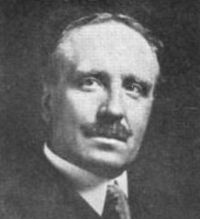
Portrait of Charles Donagh Maginnis Charles Donagh Maginnis,  Pen Drawing: An Illustrated Treatise

“ The color value of nothing is absolute. A shadow may seem almost black till a figure passes into it, when it may become quite gray by comparison. So a window with the sun shining full upon it, or even one in shade, on which a reflected light is cast, may be brilliantly light until the next instant a cloud shadow is reflected in it, making it densely black. ”
Source: Gutenberg

Ogden Nicholas Rood,  Popular Science Monthly (1879)

“ Putting this into more ordinary language, we should say simply that the strong contrast of light and shade masked such effects of harmful color-contrast as were present. There is, however, another case where we are not so indifferent or so lenient: if two objects are placed near each other in a painting, and there is good reason why both should display the same color with equal intensity, if one is painted with rich color, the other with a pale or dark shade of the same color, then the latter will look either washed out or dirty, and a bad effect will be produced. ”
Source: Wikisource

Get perspective with Kwize: daily news enlightened by great literature