Shrike

Definition and stakes

Neltje Blanchan,  Birds Every Child Should Know

“ When it is time to husk the corn, every farmer's boy must have seen a shrike sitting on a fence-rail or hovering in the air ready to seize the little meadow mice that escape from the shocks.
It is sad to record that sometimes shrikes also sneak upon their prey. When they resort to this mean method of securing a dinner they leave the high perches and secrete themselves in clumps of bushes in the open field. Luring little birds within striking distance by imitating their call notes, they pounce upon a terror-stricken sparrow before you could say "Jack Robinson."
”
Source: Gutenberg

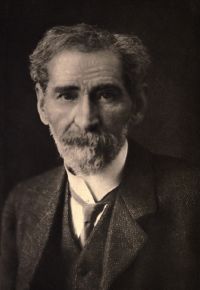
Portrait of William Henry Hudson William Henry Hudson,  British birds (1921)

“ From its perch it watches for its prey, but is by no means a motionless and depressed-looking watcher, like the flycatcher: its movements on its stand, as it turns its head from side to side and jerks and fans its tail, frequently uttering its low, percussive, chat-like chirp or call-note, give the impression of a creature keenly alive to everything passing around it. The shrike is, in fact, attentively watching air, earth, and the surrounding herbage and bushes for a victim, which he captures by a sudden dart, taking it by surprise. ”
Source: Gutenberg

Portrait of Philip Henry Gosse Philip Henry Gosse,  Natural History, Birds (1849)

“ The Grey Shrike delights more in parks and cultivated fields, where hedge-rows and clumps of trees abound, than in deep forests, or a very open country. The small birds and quadrupeds, or large insects on which it feeds, are taken by open violence, deprived of life, and then impaled upon some thorn or sharp twig, to be more readily devoured. ”
Source: Wikisource

Get perspective with Kwize: daily news enlightened by great literature